

5 Day Mount Kilimanjaro Trekking, Rongai Route
Duration
The Marangu Route, also known as the “Coca-Cola...

You may check out all the available trips and book one that suits you.
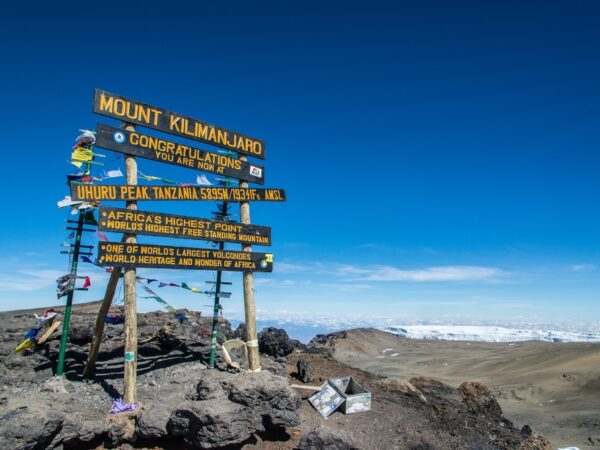
Continue Browsing TripsThe 8-day Lemosho Route is one of the most scenic and well-paced ways to summit Mount Kilimanjaro (5,895 m). Known for its exceptional acclimatization profile and high summit success rates, this route approaches the mountain from the remote western side, offering a quieter and more immersive trekking experience.
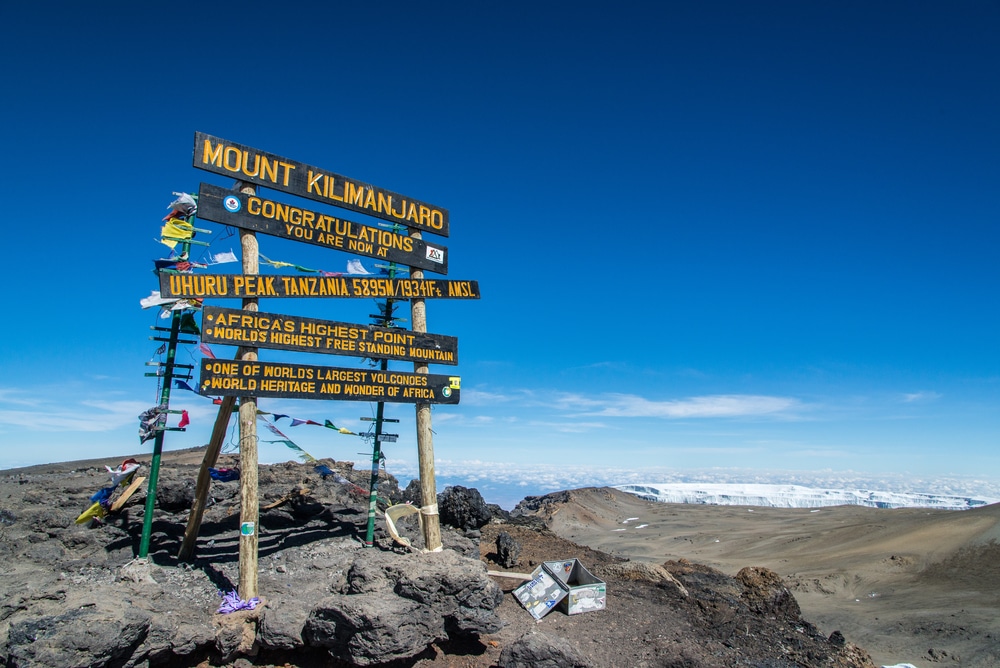
Spanning diverse landscapes - from dense rainforest and the expansive Shira Plateau to alpine desert and glacial zones—the Lemosho Route provides breathtaking views at every stage. The extended 8-day itinerary allows for gradual altitude gain, significantly improving comfort and increasing the chances of reaching Uhuru Peak, Africa's highest point.
With expert guides, a dedicated support crew, and carefully planned campsites, this route is ideal for trekkers seeking a premium Kilimanjaro experience that combines adventure, scenery, and success.
You can cancel up to 30 days in advance of the experience for a full refund.
Upon arrival at Kilimanjaro International Airport, you will be warmly welcomed by a representative from Across Tanzania Expeditions and transferred to your hotel in Arusha.
In the evening, you will meet your professional mountain guide for a detailed pre-climb briefing. During this session, you will review the itinerary, conduct a full gear check, and receive important safety and acclimatization guidance to ensure you are fully prepared for your trek on Mount Kilimanjaro.
Enjoy dinner and a restful overnight stay as you get ready for the adventure ahead.
In the morning, you will be picked up from your hotel and transferred to Londorossi Gate, located within Kilimanjaro National Park. After completing registration formalities, you will continue by vehicle along a scenic, rugged track to the trailhead.
Your trek begins through a dense and unspoiled rainforest, following a moderately steep path rich in natural beauty. This area is home to diverse wildlife, and for your safety, an armed ranger will accompany the group during the first two days.
By late afternoon, you will arrive at Mti Mkubwa Camp (Big Tree Camp), where you will settle in, enjoy a hot meal, and spend your first night on the mountain surrounded by the sounds of the forest.
Overnight: Big Tree Camp
Meals: Breakfast | Lunch | Dinner
Leaving the rainforest behind, the trail enters the moorland zone of Mount Kilimanjaro. The path gradually ascends along scenic ridges, offering beautiful views of the Shira Plateau and surrounding valleys.
By late afternoon, you will arrive at Shira 1 Camp, where you will relax, enjoy dinner, and spend the night.
Overnight: Shira Camp 1
Meals: Breakfast | Lunch | Dinner
Today you trek across the vast Shira Plateau, one of the highest plateaus in the world, on Mount Kilimanjaro.
The trail is relatively gentle, allowing for proper acclimatization while you take in panoramic views of the mountain and surrounding landscapes. By afternoon, you will arrive at Shira 2 Camp for dinner and an overnight stay.
Overnight: Shira Camp 2
Meals: Breakfast | Lunch | Dinner
Today is an important acclimatization day on Mount Kilimanjaro. You will ascend approximately 740 m, but sleep at a similar elevation to the previous night, helping your body adjust to the altitude.
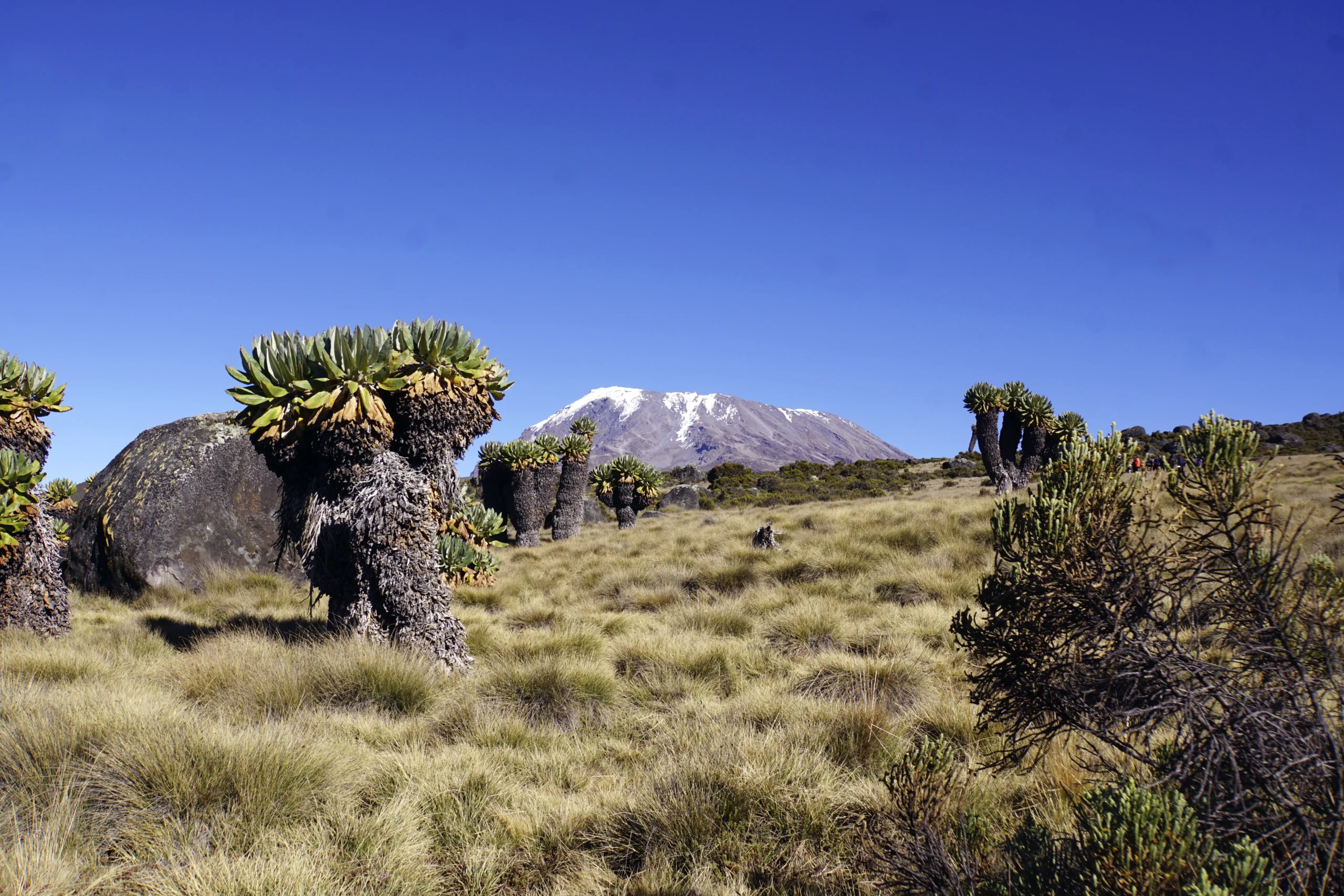
The trek begins with a steady climb across the Shira Plateau toward the iconic Lava Tower. Along the way, you’ll pass through the scenic Barranco Valley, known for its striking landscapes filled with giant lobelias and Senecio plants.
After reaching your highest point for the day, you will descend to Barranco Camp, where you will enjoy dinner and an overnight stay.
Overnight: Barranco Camp
Meals: Breakfast | Lunch | Dinner
After breakfast, you will leave Barranco Camp and tackle the steep ascent of the Barranco Wall, one of the most exciting sections of Mount Kilimanjaro.
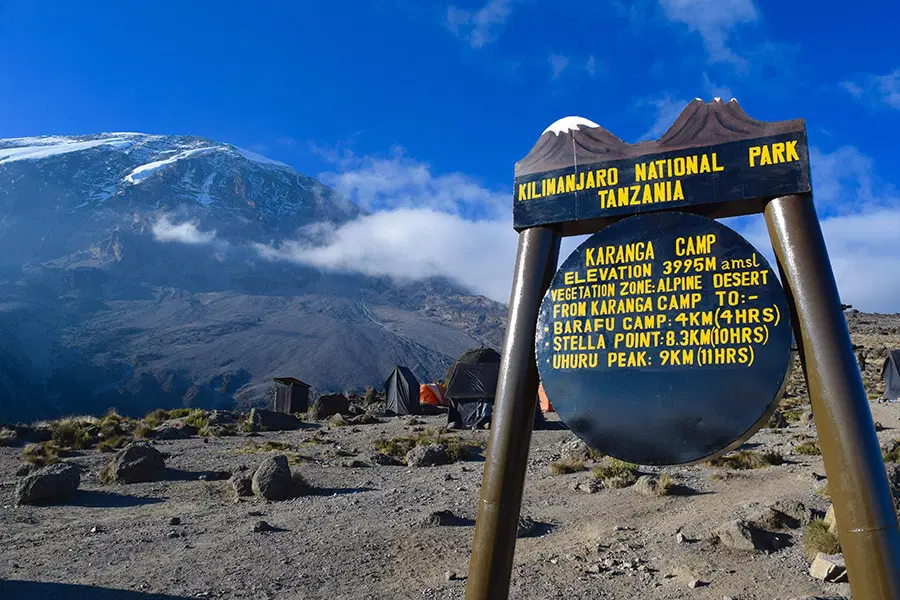
From the top, the trail continues along a ridge into the Karanga Valley, where you will reach Karanga Camp. Along the way, you will pass the junction connecting to the Mweka Trail.
Arriving in the afternoon, you will have time to relax, stretch, and prepare for the upcoming summit push. Dinner and overnight at Karanga Camp.
Overnight: Karanga Camp
Meals: Breakfast | Lunch | Dinner
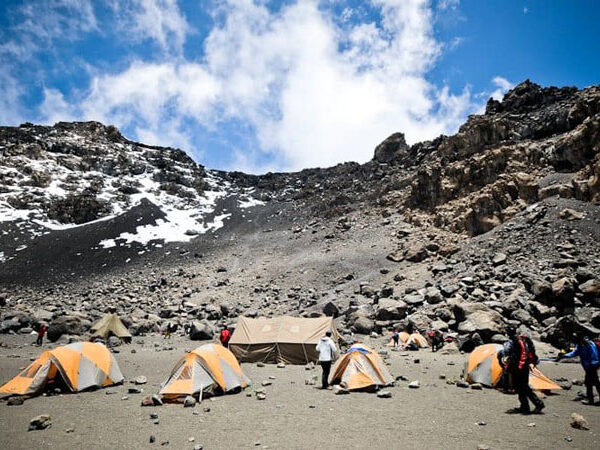
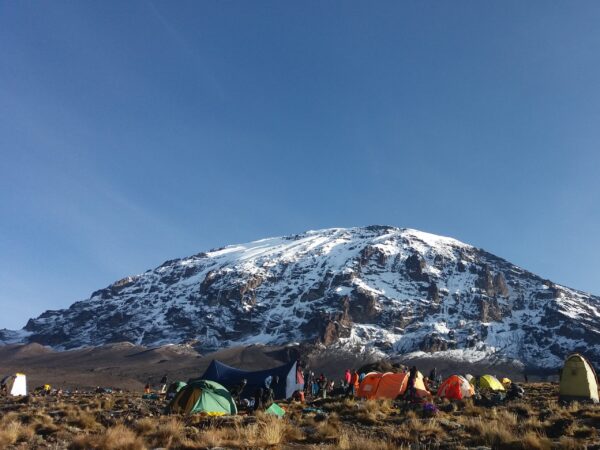
Today you continue your ascent to Barafu Camp, located high on Mount Kilimanjaro. This stage completes the Southern Circuit, offering spectacular views of the summit from multiple angles.
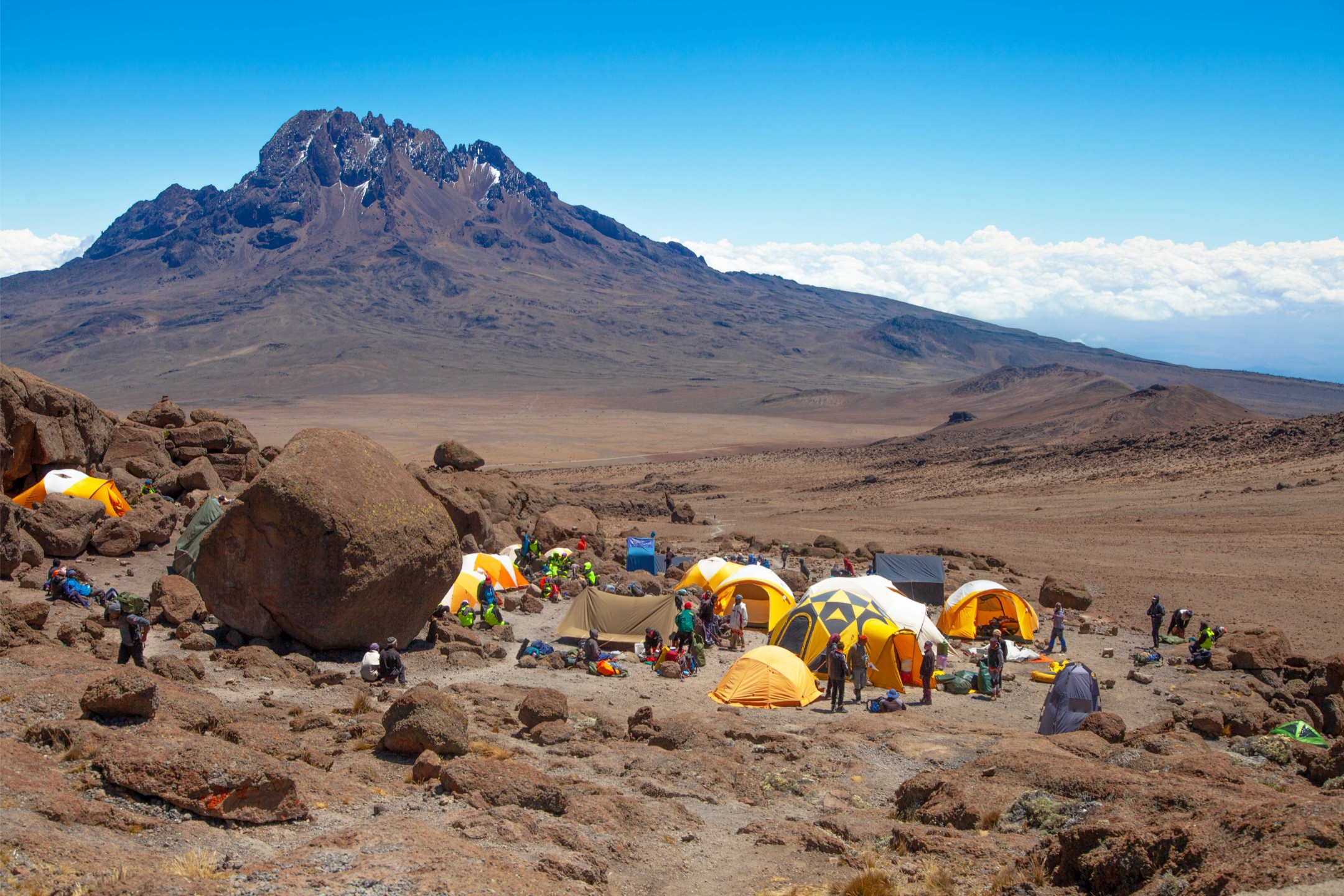
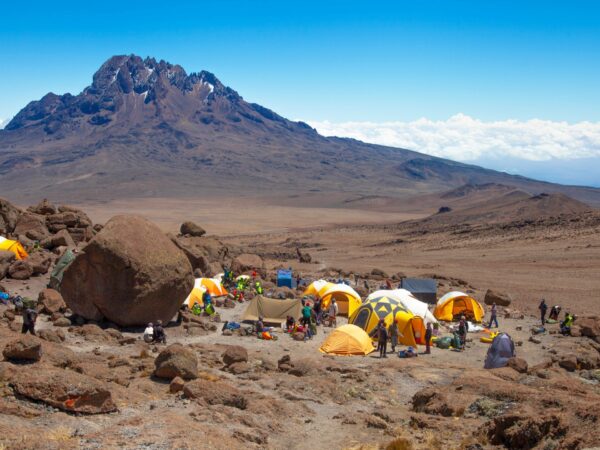
Upon arrival, you will set up camp, rest, and enjoy an early dinner in preparation for the summit attempt. From Barafu, you’ll have clear views of Mawenzi and Kibo peaks. Overnight at Barafu Camp.
Overnight: Barafu Camp
Meals: Breakfast | Lunch | Dinner
After breakfast, you will complete the descent to Mweka Gate, where you will receive your well-deserved summit certificate. At lower elevations, the trail may be wet and muddy, so gaiters and trekking poles are recommended for comfort. Light clothing such as shorts and t-shirts will be suitable for this part of the trek.
From Mweka Gate, your private vehicle will transfer you back to Arusha, marking the successful conclusion of your unforgettable Kilimanjaro adventure.
Meals: Breakfast | Lunch | Dinner
Your amazing adventure comes to an end with a traditional farewell ceremony by your mountain crew before a gentle descent through the rainforest to Mweka Gate. Your driver will be waiting for you and he will take you back to Arusha, where you can enjoy a shower and celebrate your wonderful achievement.
Meals: Breakfast | Lunch
Have a question before booking? Message us to learn more.
You can cancel up to 3 days in advance of the experience for a full refund.
Verified Highly Recommend Across Tanzania Expeditions Team Across Tanzania Expeditions is the most reliable company in Tanzania. I have not been disappointed traveling with them. Because they are friendly with their customers and treat them like family. Their devotion, reliability, responsibility, respect for others attracted me deeply. I strongly recommend Across Tanzania Expeditions Company. I Highly Recommend 100%. Especially Thanks To Mr. HezronPosted onVerified Best Experience Luxurious travel experience with Across Tanzania Expeditions. The most popular destination of our trip was Serengeti National park one of the most famous Parks and visit to the Ngorongoro Crater. It was our first safari, and it was the best experience. We are very happy and impressed to travel with themPosted onVerified Our haneymoon was really Amazing!! Across Tanzania Expeditions made our honeymoon trip truly magical! We wanted a romantic and adventurous experience, and they delivered. The private dinners under, the luxurious accommodations, and the unforgettable wildlife encounters all contributed to making this a trip of a lifetime. Thank you, Across Tanzania Expeditions, for creating memories we will cherish forever!" Remember to: Across Tanzania Expeditions!! Dream Safari!, Unforgettable wildlife, Amazing guides, perfect planning, Highly Recommended Across Tanzania Expeditions Team!Posted onVerified Superb experience in Tanzania. The team Across Tanzania Expeditions was incredibly professional, responsive, and attentive to our preferences. They took the time to understand what we wanted and tailored the itinerary perfectly to meet our expectations. Our guide & driver was not only knowledgeable but also passionate about the culture, wildlife, and landscapes of Tanzania. They shared fascinating insights about the animals, plants, and local traditions, making every moment enriching. Across Tanzania Expeditions Owner were super professional very helpful and knowledgeable. They are very good and helpful in everything. We are very happy with their amazing customer service!!!. We already looking forward to planning our next trip with them!Posted onVerified Great experience of across tanzania expeditions. Our journey began with a safari in the Serengeti, and we were instantly awed by the sheer beauty of the park. The abundance of wildlife was incredible. We saw the lion, leopard, elephant, buffalo, and rhino, along with countless giraffes, zebras, and wildebeests. The expert guide knew exactly where to find the animals and provided us with fascinating insights into their behavior and the ecosystem. The picnic lunch by the was one of the highlights of our trip. Zanzibar The island’s blend of history, culture, and natural beauty was the perfect way to , our Tanzania expedition.Tanzania is a place of unparalleled beauty, and our trip was a dream come true. The combination of wildlife, landscapes, and rich cultural experiences made this an unforgettable adventure. We are already planning our next trip. I would wholeheartedly recommend Across tanzania expeditions Tours to anyone looking for an authentic and unforgettable Across tanzania expeditions travel experience.Posted onVerified Thanks Across team. We started our adventure in Serengeti National Park with Across Tanzania Expeditions, where we were awed by the vast incredible wildlife. Witnessing the Great Migration together was like watching a live nature documentary the sheer number of wildebeests and zebras was mesmerizing. We visited the Ngorongoro Crater, a place that felt almost mythical. The lush greenery, serene lakes, and diverse wildlife atmosphere. We trip concluded on the serene beaches of Zanzibar.Tanzania gave us more than we could have imagined. It wasn’t just a trip it was a shared adventure, and a reminder of the beauty of the world. Thanks Across team for providing a great experience.Posted onVerified A truly memorable experience with Across Tanzania Expeditions. Our 5 days safari with Across Tanzania Expeditions was nothing short of spectacular! Upon arrival in Tanzania, we were greeted by our wonderful guide, Fazo, who quickly made us feel at home. His expertise and enthusiasm for wildlife were infectious. Faoz's ability to spot animals was astounding – he could point out a leopard lounging in a tree from what felt like a mile away! His extensive knowledge about the ecosystems, animal behaviors, and local cultures enriched our experience beyond just the sights. The itinerary was perfectly crafted, allowing us to explore the Serengeti, Ngorongoro Crater, and Tarangire National Park. Each park offered unique landscapes and wildlife encounters. They go above and beyond to ensure that your time in Tanzania is as enriching and unforgettable as possible. We will definitely be back for another adventure!Posted onVerified Highly recommend this company! We had a wonderful time with Across Tanzania Expeditions. Our guides Fazo were friendly and knowledgeable, making the experience enjoyable and educational. The breathtaking sceneries and well-organized tours made this an unforgettable journey. Across Tanzania Expeditions provided an incredible balance of wildlife adventure and cultural immersion. This trip will stay with our lifetime.Posted onVerified Across Tanzania Expeditions was absolutely exceptional. From the moment we arrived, the team made us feel welcomed and well taken care of. The pre-trip communication was excellent, with clear information on what to expect and a personalized itinerary that met all our interests. Our guide was knowledgeable and passionate about Tanzania’s wildlife, ensuring we saw all the major animals we were hoping for lions, elephants, giraffes, and more! The meals and lodges were also fantastic, with stunning views and top-notch service. We can wholeheartedly recommend Across Tanzania Expeditions. They made our trip not just a vacation, but an experience of our a lifetime. Our experience with Across Tanzania Expeditions was absolutely exceptional.Posted onVerified Outstanding tour: well planned and well run. Can’t say enough good things! Our 9 day Safari was outstanding!!! The owner Hezron and his team were very conscientious, helpful, committed to their people having an amazing trip. Hezron contacted me daily when there to make sure all was going well. Hussein does a lot of the planning and booking and did a great job, we loved all of our lodging. Fazo our guide was a walking encyclopedia of all animals we encountered in the 5 National Parks we went to. We saw the Big 5 and more! The vehicle was clean and reliable. Fazo was a very safe and conscious driver with an instinct for where animals would be. The food at all of our lodgings were great. I am celiac and the team at Across Tanzania contacted each place before we got there to make sure they knew what to expect for my dietary needs. The trip was well planned, well run, and thoroughly enjoyable. Would highly recommend a private tour (we saw groups all packed in and they would only get to see out of their window) we had full movement in the 6 seat Land Cruiser to get the photos and views we had been dying to see.Posted on
Duration
The Marangu Route, also known as the “Coca-Cola...
Duration
The Marangu Route, also known as the “Coca-Cola...
Duration
The 6-day Marangu Route is widely regarded as...
Duration
The Lemosho Route is one of the most...
Duration
This 7-day Machame itinerary is perfect for adventurous...
Duration
The 6-day Machame Route is renowned for its...
We will get back to you within 2 working days.