


7-Day Best of the Wild Luxury Safari
Spot the Big Five, enjoy full-board lodge stays,...

You may check out all the available trips and book one that suits you.
Continue Browsing TripsEmbark on an unforgettable 8-day safari exploring Tanzania’s most iconic national parks with Across Tanzania Expeditions. This adventure takes you to Lake Manyara National Park, renowned for its tree-climbing lions, and the breathtaking Ngorongoro Crater, famously called the Garden of Eden. Experience the vast plains of Serengeti National Park and the wildlife-rich landscapes of Tarangire National Park.
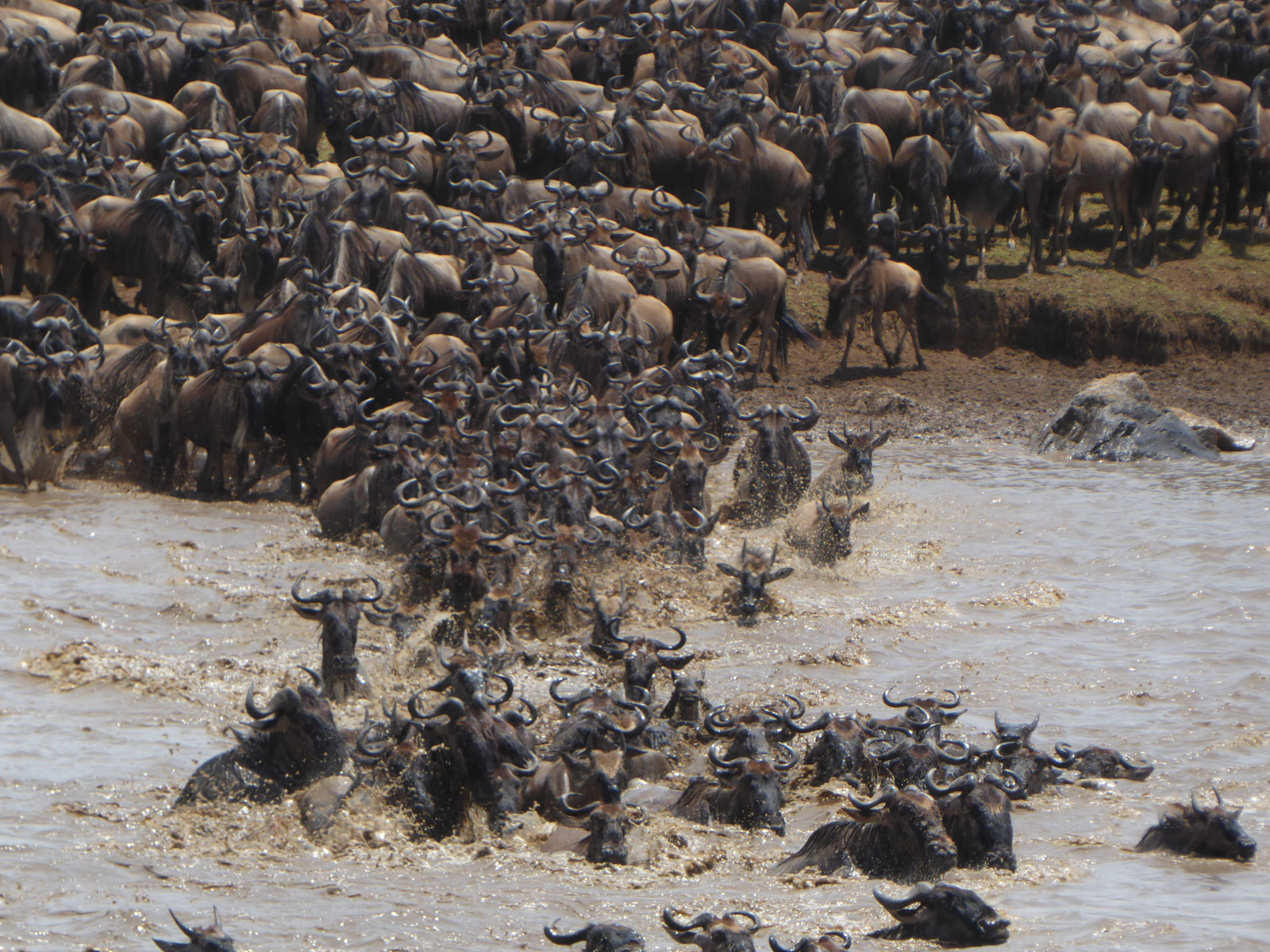
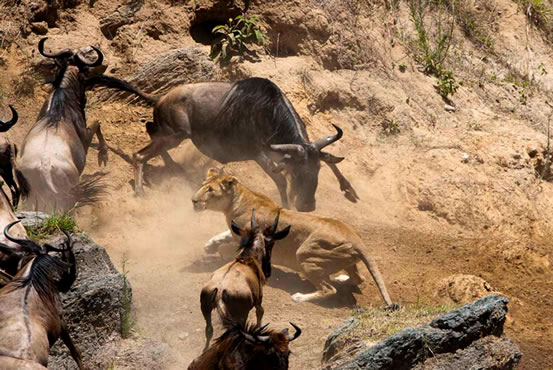
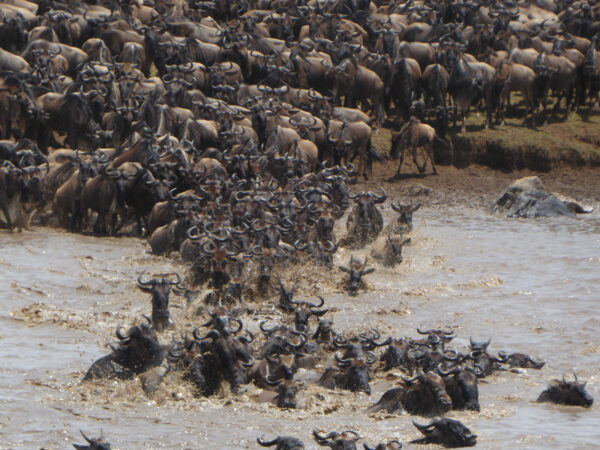
Witness the spectacular Great Wildebeest Migration, including the dramatic river crossings at the Mara River, and enjoy comfortable lodge accommodations throughout your journey. This safari offers the perfect blend of extraordinary wildlife encounters, stunning scenery, and immersive cultural experiences.
You can cancel up to 30 days in advance of the experience for a full refund.
Upon arrival at Kilimanjaro International Airport or Arusha Airport, you will be warmly welcomed by your guide and transferred to your accommodation in Arusha. If time allows, you may enjoy an optional city tour, exploring local highlights such as the Cultural Heritage Centre, vibrant local markets, and the Maasai market. This offers a great introduction to the culture and atmosphere of Arusha before you relax and settle in at your lodge.
Accommodation: Arusha Planet Lodge
Meals: Dinner
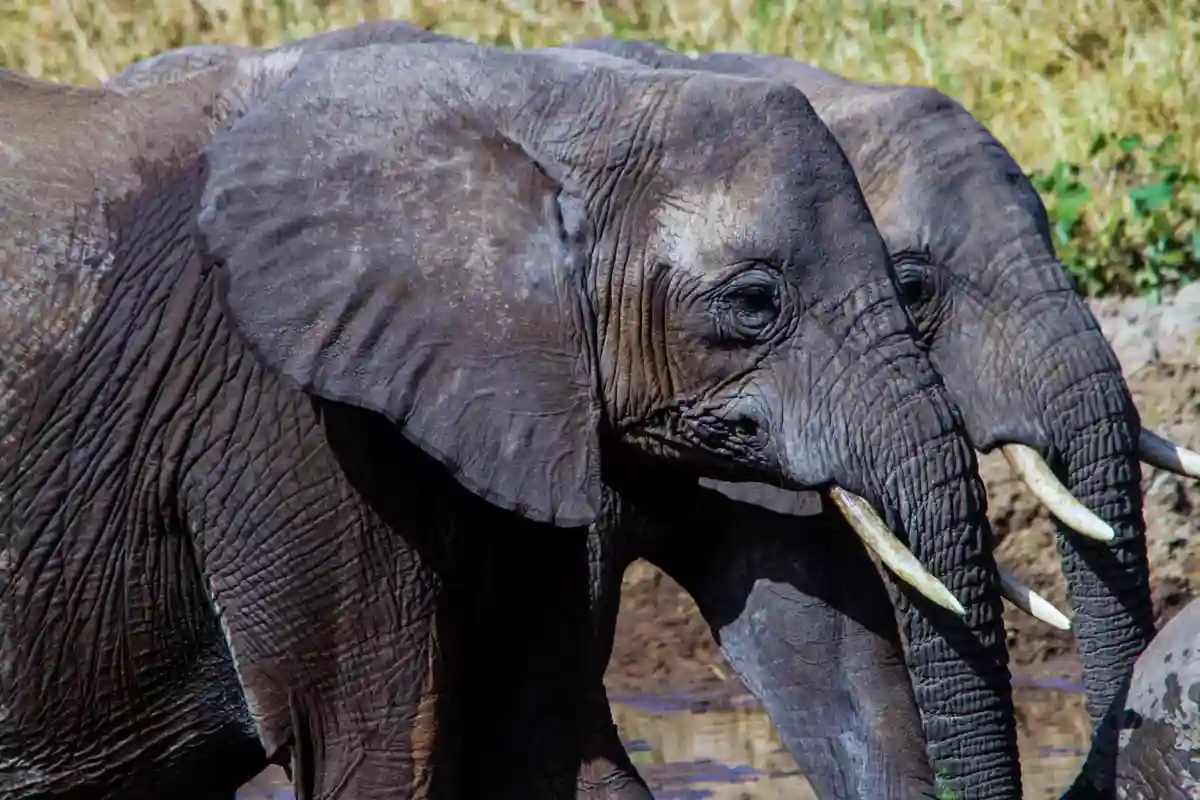
Your safari adventure begins today! After an early breakfast, you’ll be picked up from your accommodation at 7:45 a.m. and drive approximately two hours to Tarangire National Park. Renowned for its large elephant herds and iconic baobab trees, the park offers diverse landscapes ranging from open savannahs to seasonal swamps and the wildlife-rich Tarangire River.
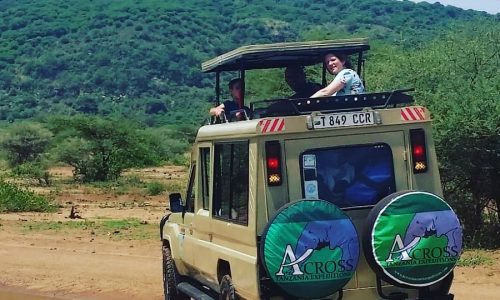
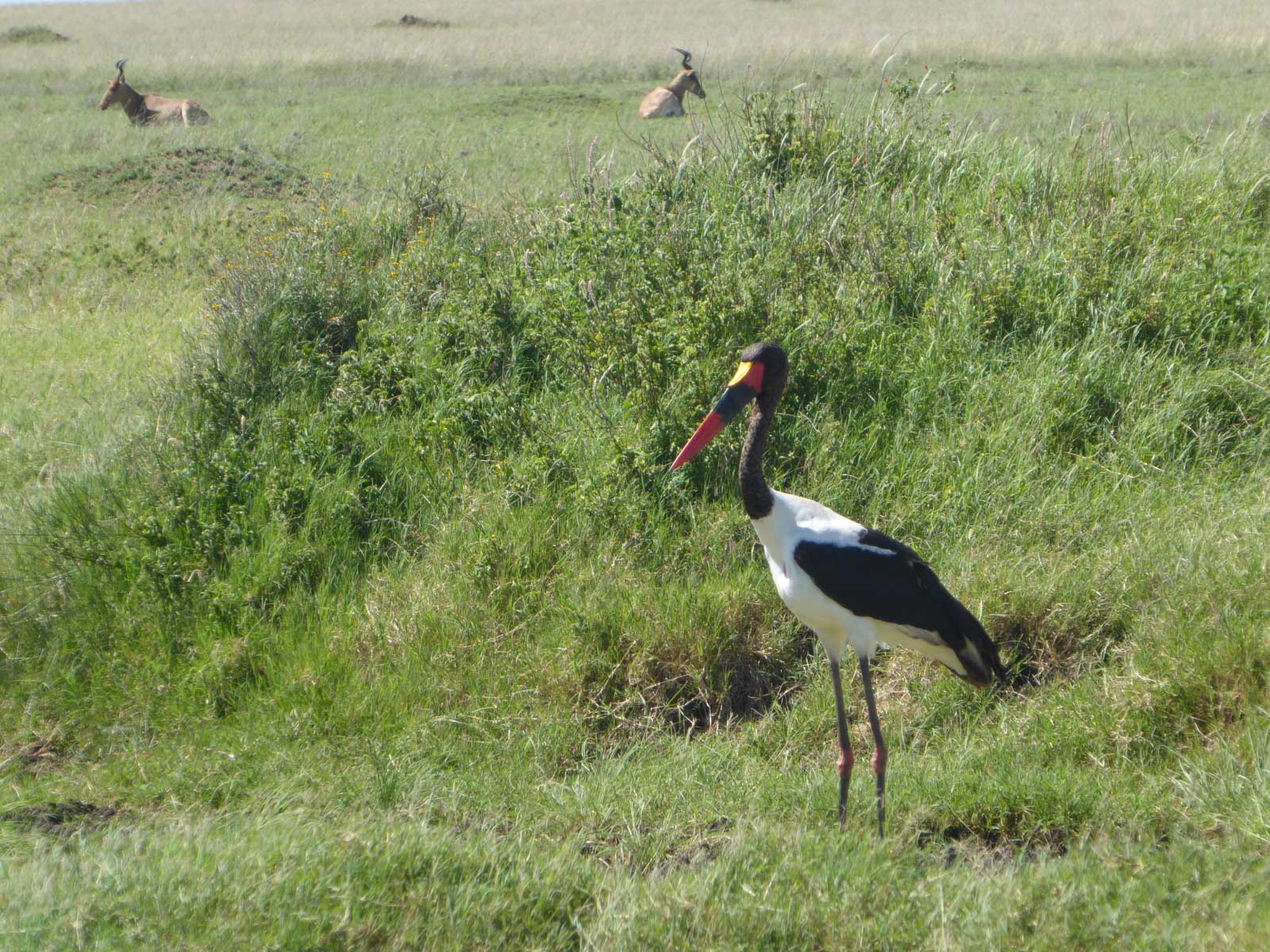
Enjoy an exciting game drive in an open-roof safari vehicle, with opportunities to spot giraffes, zebras, impalas, lions, leopards, elephants, elands, warthogs, and a variety of birdlife. Stop for a scenic picnic lunch before continuing your exploration. In the evening, transfer to your lodge for dinner and a relaxing overnight stay.
Accommodation: Farm of Dreams Lodge
Meals: Breakfast | Lunch | Dinner
After breakfast, travel through the fertile highlands where wheat, coffee, and maize are cultivated by the Iraqw community, passing through the scenic Ngorongoro Conservation Area with breathtaking views of the iconic Ngorongoro Crater. Continue onward to Serengeti National Park, Tanzania’s largest park, spanning over 15,000 sq km and featuring diverse habitats including grassy plains, swamps, lakes, savannahs, and mountains.
Depending on the season, witness portions of the Great Migration, where thousands of wildebeest, zebras, and antelopes traverse the plains in search of food and water. After an exciting game drive, transfer to the Seronera Valley for dinner and an overnight stay in a comfortable tented camp in Central Serengeti.
Accommodation: Central Serengeti Luxury Camp
Meals: Breakfast | Lunch | Dinner
Start your day with an early breakfast before setting out on a full-day game drive across Serengeti National Park. Your driver-guide will take you to the key areas of the park, ensuring you have the best chance to witness the Great Wildebeest Migration during your safari.
The timing of the migration varies yearly: the northern Serengeti and Mara River crossings are most spectacular from July to September, while the wildebeest calving season occurs between January and March. Millions of wildebeest travel across the plains, following rainfall and grazing opportunities, offering incredible wildlife viewing and photography opportunities.
After a full day of game drives, return to your Tanzania bush camp near the Mara River for dinner and a restful overnight stay.
Accommodation: Tanzania Bush Camps - Mara River
Meals: Breakfast | Lunch | Dinner
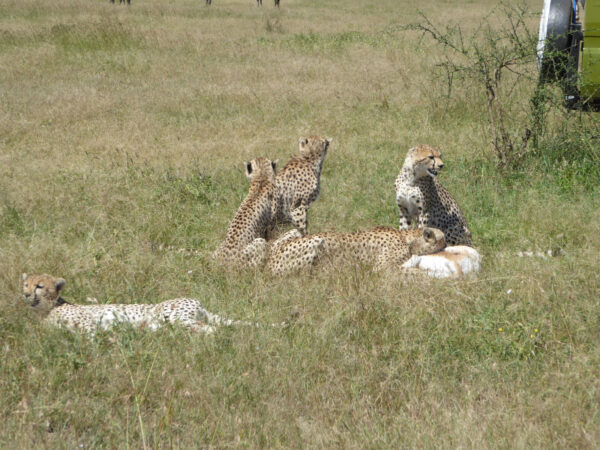
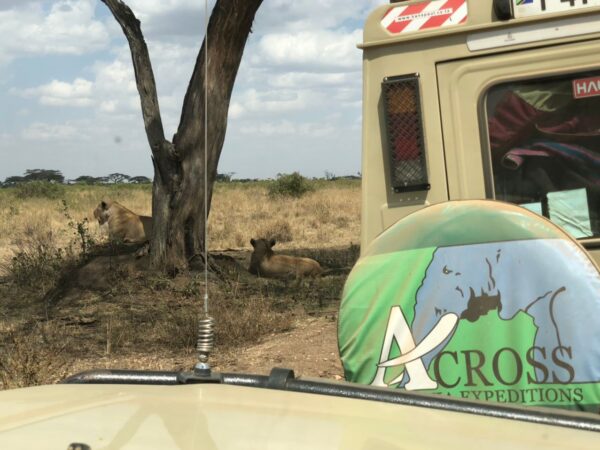
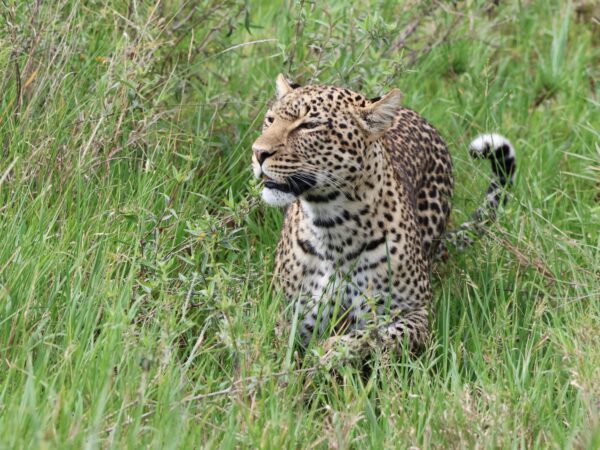
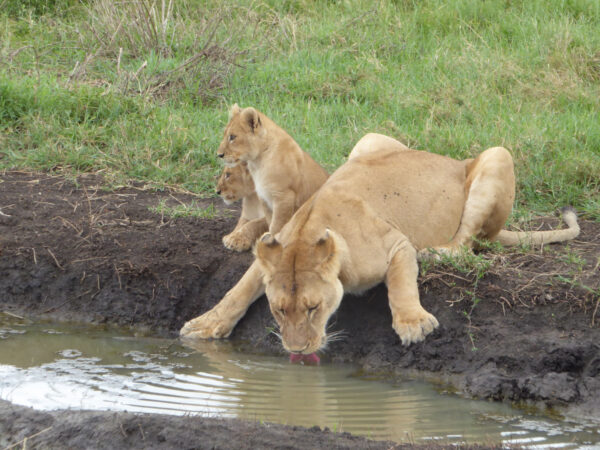
After an early breakfast, set out for a morning game drive in Serengeti National Park, with the chance to spot the Big Five—lion, elephant, buffalo, rhino, and leopard. Wildlife roams freely across the unfenced plains, offering uninterrupted game viewing and incredible photo opportunities.
After the game drive, journey to the Ngorongoro Crater. Upon arrival at the crater rim, catch your first glimpse of the spectacular landscape awaiting you tomorrow, with glistening streams, open grasslands, and abundant wildlife. Spend the night at Ngorongoro Coffee Lodge, surrounded by the warm glow of sunset in the highlands.
Accommodation: Ngorongoro Coffee Lodge
Meals: Breakfast | Lunch | Dinner
Wake up early around 5:30 a.m. for breakfast before descending to the Ngorongoro Crater floor for a full-day game drive. Explore this extraordinary natural wonder, home to the Big Five, the rare black rhino, and a wide variety of birds. Enjoy your picnic lunch inside the crater, surrounded by nature and high concentrations of flamingos along its lakes and wetlands.
After 6–7 hours of game viewing, ascend from the crater and return to Farm of Dreams Lodge for dinner and an overnight stay. Later, take a walking tour in Mto wa Mbu village to experience local life, explore banana plantations, and sample traditional Tanzanian cuisine.
Accommodation: Farm of Dreams Lodge
Meals: Breakfast | Lunch | Dinner
After breakfast, meet your safari guide at your accommodation and set out for Lake Manyara National Park. Though relatively small, this park is remarkably diverse. Its shallow salt lake floods and dries with the seasons, attracting thousands of flamingos and over 500 other bird species.
During your game drive, encounter a variety of wildlife including monkeys, giraffes, zebras, wildebeests, buffaloes, elephants, and, with luck, lions lounging in the trees. Explore the park’s varied landscapes, from open grassy plains to primate-filled woodlands and dramatic baobab-dotted cliffs, capturing the essence of Tanzania’s natural beauty.
Accommodation: Arusha Planet Lodge
Meals: Breakfast | Lunch | Dinner
Enjoy a leisurely breakfast and lunch at your lodge, reflecting on the incredible wildlife and landscapes you’ve experienced. Depending on your departure schedule, you will be transferred to Kilimanjaro International Airport for your onward flight, bringing your unforgettable Tanzanian safari to a close.
Meals: Breakfast
Have a question before booking? Message us to learn more.
You can cancel up to 30 days in advance of the experience for a full refund.
Verified Highly Recommend Across Tanzania Expeditions Team Across Tanzania Expeditions is the most reliable company in Tanzania. I have not been disappointed traveling with them. Because they are friendly with their customers and treat them like family. Their devotion, reliability, responsibility, respect for others attracted me deeply. I strongly recommend Across Tanzania Expeditions Company. I Highly Recommend 100%. Especially Thanks To Mr. HezronPosted on TripadvisorVerified Best Experience Luxurious travel experience with Across Tanzania Expeditions. The most popular destination of our trip was Serengeti National park one of the most famous Parks and visit to the Ngorongoro Crater. It was our first safari, and it was the best experience. We are very happy and impressed to travel with themPosted on TripadvisorVerified Our haneymoon was really Amazing!! Across Tanzania Expeditions made our honeymoon trip truly magical! We wanted a romantic and adventurous experience, and they delivered. The private dinners under, the luxurious accommodations, and the unforgettable wildlife encounters all contributed to making this a trip of a lifetime. Thank you, Across Tanzania Expeditions, for creating memories we will cherish forever!" Remember to: Across Tanzania Expeditions!! Dream Safari!, Unforgettable wildlife, Amazing guides, perfect planning, Highly Recommended Across Tanzania Expeditions Team!Posted on TripadvisorVerified Superb experience in Tanzania. The team Across Tanzania Expeditions was incredibly professional, responsive, and attentive to our preferences. They took the time to understand what we wanted and tailored the itinerary perfectly to meet our expectations. Our guide & driver was not only knowledgeable but also passionate about the culture, wildlife, and landscapes of Tanzania. They shared fascinating insights about the animals, plants, and local traditions, making every moment enriching. Across Tanzania Expeditions Owner were super professional very helpful and knowledgeable. They are very good and helpful in everything. We are very happy with their amazing customer service!!!. We already looking forward to planning our next trip with them!Posted on TripadvisorVerified Great experience of across tanzania expeditions. Our journey began with a safari in the Serengeti, and we were instantly awed by the sheer beauty of the park. The abundance of wildlife was incredible. We saw the lion, leopard, elephant, buffalo, and rhino, along with countless giraffes, zebras, and wildebeests. The expert guide knew exactly where to find the animals and provided us with fascinating insights into their behavior and the ecosystem. The picnic lunch by the was one of the highlights of our trip. Zanzibar The island’s blend of history, culture, and natural beauty was the perfect way to , our Tanzania expedition.Tanzania is a place of unparalleled beauty, and our trip was a dream come true. The combination of wildlife, landscapes, and rich cultural experiences made this an unforgettable adventure. We are already planning our next trip. I would wholeheartedly recommend Across tanzania expeditions Tours to anyone looking for an authentic and unforgettable Across tanzania expeditions travel experience.Posted on TripadvisorVerified Thanks Across team. We started our adventure in Serengeti National Park with Across Tanzania Expeditions, where we were awed by the vast incredible wildlife. Witnessing the Great Migration together was like watching a live nature documentary the sheer number of wildebeests and zebras was mesmerizing. We visited the Ngorongoro Crater, a place that felt almost mythical. The lush greenery, serene lakes, and diverse wildlife atmosphere. We trip concluded on the serene beaches of Zanzibar.Tanzania gave us more than we could have imagined. It wasn’t just a trip it was a shared adventure, and a reminder of the beauty of the world. Thanks Across team for providing a great experience.Posted on TripadvisorVerified A truly memorable experience with Across Tanzania Expeditions. Our 5 days safari with Across Tanzania Expeditions was nothing short of spectacular! Upon arrival in Tanzania, we were greeted by our wonderful guide, Fazo, who quickly made us feel at home. His expertise and enthusiasm for wildlife were infectious. Faoz's ability to spot animals was astounding – he could point out a leopard lounging in a tree from what felt like a mile away! His extensive knowledge about the ecosystems, animal behaviors, and local cultures enriched our experience beyond just the sights. The itinerary was perfectly crafted, allowing us to explore the Serengeti, Ngorongoro Crater, and Tarangire National Park. Each park offered unique landscapes and wildlife encounters. They go above and beyond to ensure that your time in Tanzania is as enriching and unforgettable as possible. We will definitely be back for another adventure!Posted on TripadvisorVerified Highly recommend this company! We had a wonderful time with Across Tanzania Expeditions. Our guides Fazo were friendly and knowledgeable, making the experience enjoyable and educational. The breathtaking sceneries and well-organized tours made this an unforgettable journey. Across Tanzania Expeditions provided an incredible balance of wildlife adventure and cultural immersion. This trip will stay with our lifetime.Posted on TripadvisorVerified Across Tanzania Expeditions was absolutely exceptional. From the moment we arrived, the team made us feel welcomed and well taken care of. The pre-trip communication was excellent, with clear information on what to expect and a personalized itinerary that met all our interests. Our guide was knowledgeable and passionate about Tanzania’s wildlife, ensuring we saw all the major animals we were hoping for lions, elephants, giraffes, and more! The meals and lodges were also fantastic, with stunning views and top-notch service. We can wholeheartedly recommend Across Tanzania Expeditions. They made our trip not just a vacation, but an experience of our a lifetime. Our experience with Across Tanzania Expeditions was absolutely exceptional.Posted on TripadvisorVerified Outstanding tour: well planned and well run. Can’t say enough good things! Our 9 day Safari was outstanding!!! The owner Hezron and his team were very conscientious, helpful, committed to their people having an amazing trip. Hezron contacted me daily when there to make sure all was going well. Hussein does a lot of the planning and booking and did a great job, we loved all of our lodging. Fazo our guide was a walking encyclopedia of all animals we encountered in the 5 National Parks we went to. We saw the Big 5 and more! The vehicle was clean and reliable. Fazo was a very safe and conscious driver with an instinct for where animals would be. The food at all of our lodgings were great. I am celiac and the team at Across Tanzania contacted each place before we got there to make sure they knew what to expect for my dietary needs. The trip was well planned, well run, and thoroughly enjoyable. Would highly recommend a private tour (we saw groups all packed in and they would only get to see out of their window) we had full movement in the 6 seat Land Cruiser to get the photos and views we had been dying to see.Posted on Tripadvisor
Spot the Big Five, enjoy full-board lodge stays,...
Spot the Big Five, enjoy full-board lodge stays,...

Witness thousands of wildebeest calves born daily, attracting...
Witness dramatic river crossings as thousands of wildebeest...
Perfect for travelers seeking adventure, wildlife, and authentic...
We will get back to you within 2 working days.